Tunis: 24 hours city guide
Our last stop was in the capital, Tunis, a vibrant blend of old and new, merging ancient history with modern living. It’s located in the northeastern part of the country on the Mediterranean coast and it is just as chaotic as it is fascinating.

Here is a list of what not to miss in 24 hours, however there are many other sights to see, if you have more time:
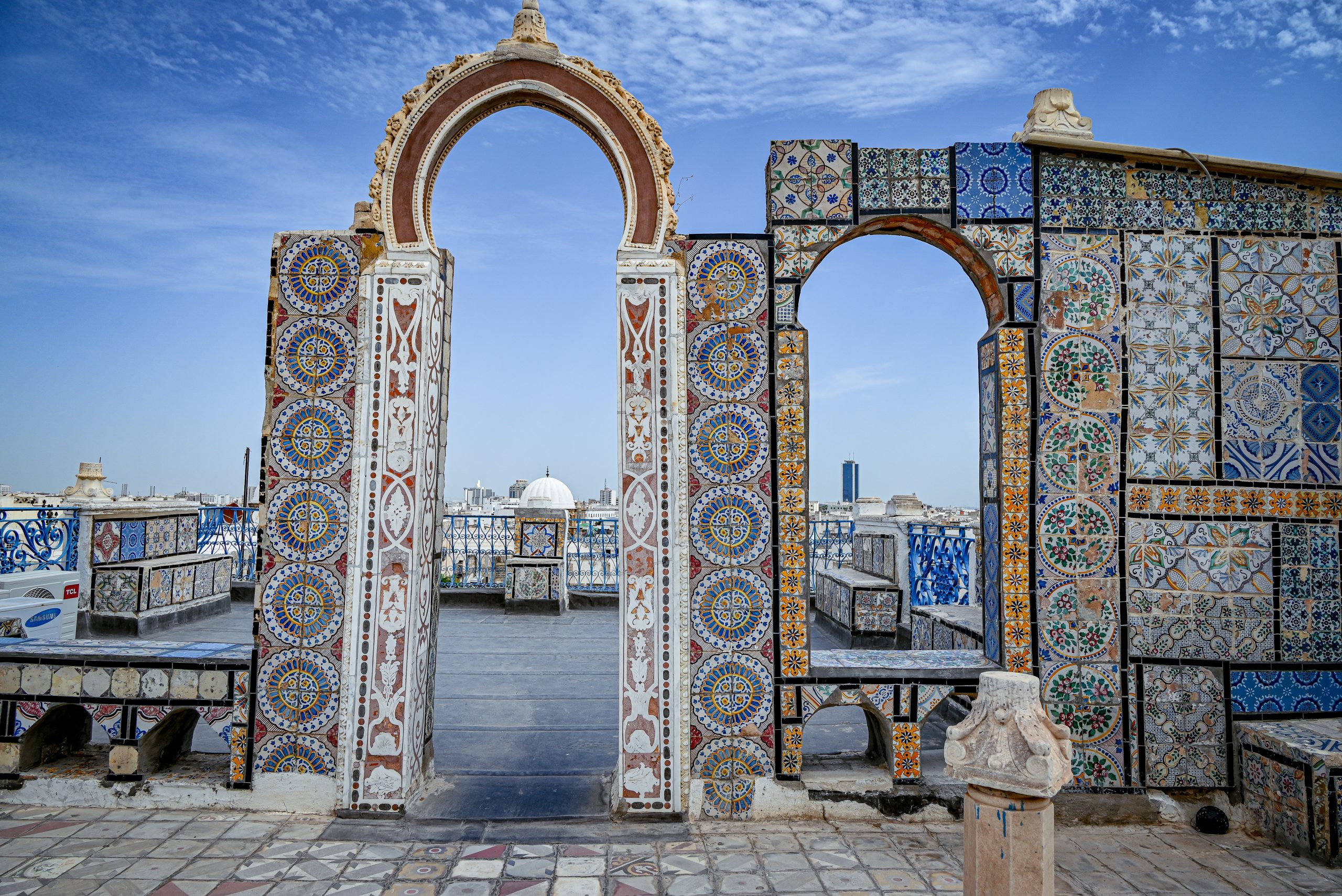
Medina of Tunis
a UNESCO World Heritage Site, this historic part of the city dates back to the 7th century and is filled with narrow streets, bustling souks, mosques, and historical buildings. It is probably the cleanest Medina I have ever seen!


The Bardo National Museum
in Tunis is one of the most important museums in the Mediterranean and the second after the Egyptian Museum of Cairo.
It showcases a vast collection of artifacts that trace Tunisia’s history from prehistoric times to the contemporary era.
Some highlights of the museum include:
- Roman Mosaics: The museum boasts the largest collection of Roman mosaics in the world
- Punic Artifacts: A rich collection of Punic jewels and artifacts that reflect the ancient Phoenician civilization.
- Roman Sarcophagi: An impressive gallery of Roman sarcophagi and Christian baptisteries.
Open from 9am to 4.30 pm, it charges £3 for entrance.


Avenue Habib Bourguiba
The main thoroughfare of the city, lined with cafes, shops, and historical buildings, offering a more modern and European feel.

Carthage
The ancient ruins of Carthage, located just outside of Tunis, provide a fascinating glimpse into the city’s past.
Carthage was founded by Phoenician settlers around 814 BC, and became one of the most powerful cities in the ancient Mediterranean.
It rivalled Rome and played a crucial role in the Punic Wars against the Roman Empire, which ultimately led to its destruction in 146 BC2.

The ruins of Carthage today include the Punic port, which offers incredible sunsets, the Roman amphitheatre and the Antonine Baths.


As a Western Sicilian, our part of Sicily was conquered by the Carthaginians long before the Romans ever set foot in Sicily. Our area is Punic and Phoenician (and Greek), therefore we often mentally ally with the Carthaginians against the Romans.
But history has its twists and turns and Carthage was destroyed, and fell to the Roman Empire.
The site is open 9am to 7pm and charges £3 for entrance


Have a coffee at the Café’ Panorama, in the Medina, with stunning views over old Tunis and the Zitouna Mosque.


We stayed at the Hotel Royal Victoria, the ex British Embassy located at the entrance of the Medina. The hotel is lavishly decorated, spotlessly clean and close to many sightseeing spots.


For more Tunisia blog posts: https://blog.worldswithout.net/tunisia/