Rio de Janeiro: The Ultimate Travel Guide
When it comes to breathtaking destinations that perfectly blend natural beauty, rich culture, and infectious city life energy, Rio de Janeiro stands out as a prime choice.
Nestled between lush mountains and the sparkling Atlantic Ocean, this iconic Brazilian city offers travellers an unforgettable experience filled with stunning landscapes, lively neighbourhoods, and a captivating history.
Pedro Alvares Cabral landed in Brazil, for the King of Portugal, Dom Manuel I, on 22nd of April 1500, but it was the Bay of Guanabara that, on the 1st of January 1502, assuming to have discovered the mouth of a great river, that the explorers named the river, River of January, Rio de Janeiro.
When gold was discovered in the neighbouring state of Minas Gerais, Rio became the logical point for the Portuguese to base their taxing and control operations.
Rio was actually the capital at one stage, in 1763, as the capital of the Vice–Royalty of Brazil.

Here’s what you can’t miss when visiting this vibrant city.
Iconic Landmarks (plus a couple of extra tips….)
No trip to Rio is complete without a visit to the iconic 38 meters high Christ the Redeemer statue, standing tall atop Corcovado Mountain. This symbol of Brazil not only offers breathtaking panoramic views of the city but also provides a unique cultural experience.

Be sure to arrive early to beat the crowds and capture those picture-perfect moments.
There are many tours that offer a visit to the Christ, many including other sites as well.
The Christ the Redeemer site is open every day from 8am to 7pm and you can book your ticket through the official website here
https://ingressos.paineirascorcovado.com.br/?utm_source=site&utm_medium=organico&utm_campaign=faq
Don’t buy the ticket if you are going as part of a tour.

If you rather do your own thing, the most popular way to reach the statue is to take the red narrow-gauge train that departs every 30 minutes from Cosme Velho and takes approximately 20 minutes to reach the top.
Another landmark that should be on your itinerary is Sugarloaf Mountain.
Take a cable car ride to the summit for an awe-inspiring sunset view, where the golden hues dance across the bay and city below. The experience is nothing short of magical.
The first part of the ride runs between Praia Vermelha and Morro da Urca, from where the second rises to the summit of the 396-metre Sugarloaf Mountain.
You can buy the ticket from the official site here
The cable car leaves every 20 minutes, between 8:30 am and 6:30 pm.


Rio is famous for its stunning beaches, with Copacabana and Ipanema topping the list but there are plenty more, Praia Vermelha being one of our favourites.
Spend a day soaking up the sun, sipping on refreshing coconut water, and indulging in local treats like açaí bowls and pão de queijo (cheese puffs bread).
Join the locals in a game of beach volleyball or beach football or simply relax while listening to the soothing sound of the waves.
Don’t forget to witness the lively beach culture, with samba dancers and musicians often entertaining the crowds. However, do mind your belongings!


Explore the vibrant neighbourhoods of Santa Teresa and Lapa, where colourful street art adorns the walls and the spirit of samba fills the air.

Take a stroll along the Selarón Steps, a beautiful staircase covered in mosaics that reflects the creativity of local artists.


The steps are the work of Chilean-born artist Jorge Selarón who claimed it as “my tribute to the Brazilian people”. He began renovating the steps along the front of his house. At first, neighbours mocked him for his choice of colours as he covered the steps in fragments of blue, green and yellow tiles – the colours of the Brazilian flag. It started out as a side-project to his main passion, painting, but soon became an obsession. He found he was constantly out of money, so Selarón sold paintings to fund his work.
There are 215 steps which are covered in over 2000 tiles collected from over 60 countries around the world.
Sadly enough, and quite poignantly too, Selarón was found dead on January 10, 2013, on his famous Lapa steps.


Marvel at the underrated Metropolitan Cathedral of Saint Sebastian, a modern style church based on Mayan architectural style of pyramids, to unite the ancestral native traditions with modern faith. Inside, vertical stripes of decorated glass filter the sunlight.
It was a truly mesmerizing experience.

Parque Henrique Lage
Parque Henrique Lage is a public park located in the Jardim Botânico neighborhood at the foot of the Corcovado. During the 1920s, Lage had the mansion remodeled by Italian architect Mario Vodret. In the 1960s, the land became a public park, with walking trails through subtropical forest and today it also houses bars and restaurants.
Expect crowds and queues.


The temple of football: the Maracana
If you are a football fan, like us, you cannot miss the chance to enter and walk the walk of world famous Brazilian footballers.
You will visit a museum, filled with memorabilia and tshirts worn by players like Pele, Falcao, Socrates, Zico, Ronaldo.
You will enter the changing area and sit on those very spots where the players sit before making your way, from the changing room into the pitch.
For obvious reasons, you cannot enter the playing field as such, but you can stay on the side line or sit on the stands or even in the substitutes box.
It was an incredible experience!
There are many souvernirs/sport shops at entrance.
You can buy tickets here: https://maracanatour.eleventickets.com/pt/produto/tour-do-maracana

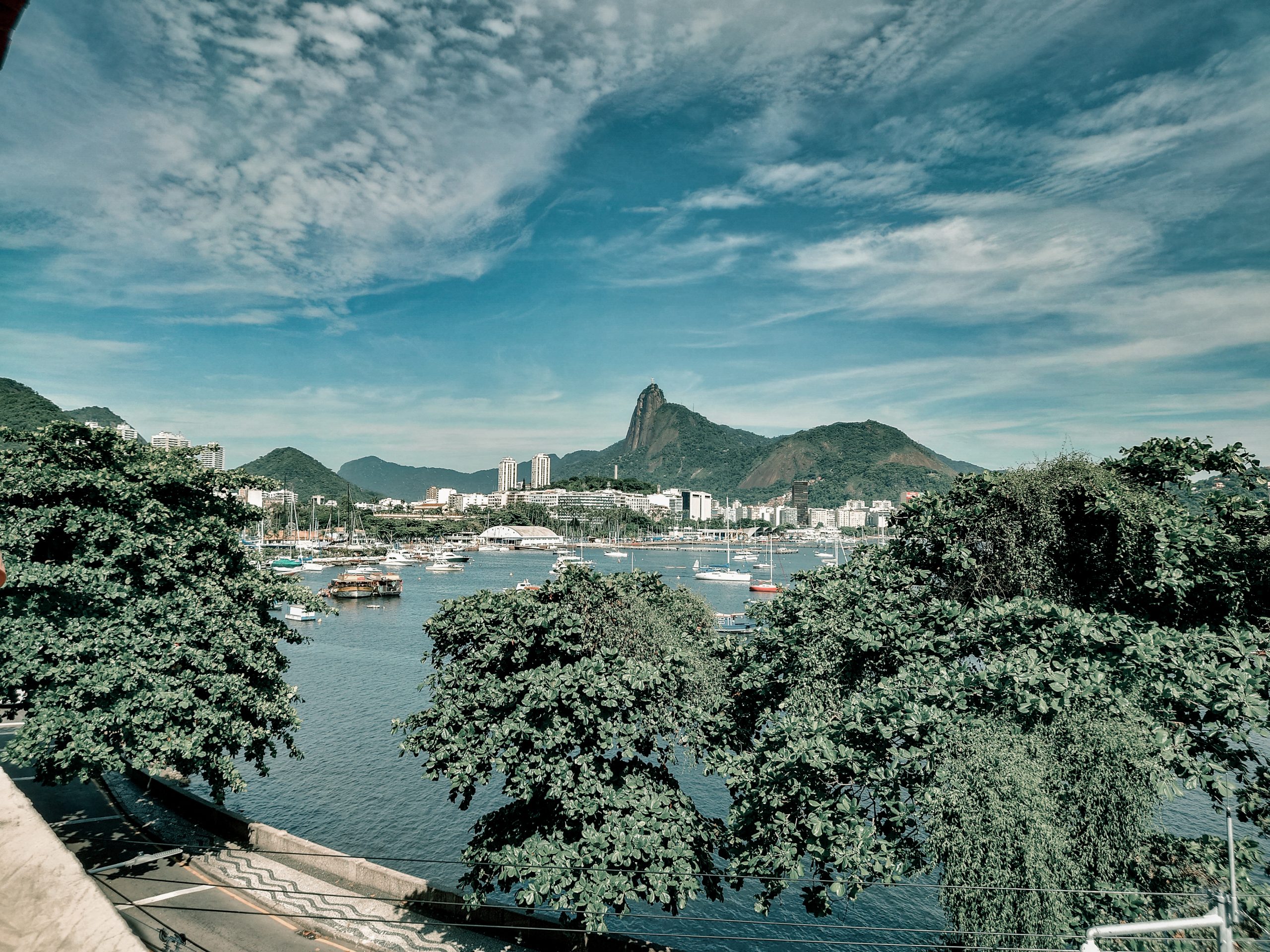
Head to Rio’s safest area, Urca, at the bottom of the Sugarloaf mountain and stop for a drink at one of the bars while watching a magical sunset, colouring the boat-spotted bay of orange, followed by a meal at Casurca, a lovely restaurant decorated with azulejos tiles and the best vegan Moqueca!

As the sun sets, Rio comes alive with an electrifying nightlife scene.
Head to Lapa for its famous samba clubs and lively street parties. The rhythmic beats of samba will have you dancing the night away alongside locals and fellow travellers. Alternatively, enjoy a more laid-back evening at a boteco (Brazilian pub), where you can sample delicious caipirinhas and savour traditional Brazilian snacks.
For those seeking adventure, jungles and mountains surround Rio, offering incredible hiking opportunities.
Trek through the Tijuca National Park, one of the largest urban rainforests in the world. Discover breathtaking waterfalls, hidden trails, and stunning viewpoints that showcase the city’s natural beauty. For a more adrenaline-fueled experience, try hang gliding off Pedra Bonita, where you can soar through the skies and take in unparalleled views of the coastline.

Safety issues:
We all know the bad reputation Rio has in terms of petty crime and criminality in general.
Please apply the same precautions you would apply anywhere. We used Uber a lot, which is safe and not expensive, meaning we minimized the time we would spend walking. When we did walk, though and we never felt unsafe.
No one approached us and made us feel uncomfortable.
Do not carry expensive items with you that can attract attention such as expensive watches or jewellery.
Dress the Rio way, shorts and top.
Be aware of the areas where you are or want to go to.
For example: the Selaron steps are pretty safe but if you keep climbing on, you’ll end up in a favela which could bring potential trouble.
Santa Teresa, where we stayed for a couple of nights, is generally safe, but even so, precaution is needed.
We also stayed in Urca which is one of the safest areas in Rio (the police station likely helps).
Conclusion:
Rio is amazing!
From its iconic landmarks and stunning beaches to its vibrant culture and thrilling adventures, Rio de Janeiro is a destination that promises memories to last a lifetime.
We stayed at this incredible Bnb/hotelinho in Santa Teresa, with pool and incredible view over Rio.


We also stayed in Urca and this little Hotelinho offers fantastic views over the bay
https://www.booking.com/hotel/br/hotelinho-urca.en-gb.html?aid=304142