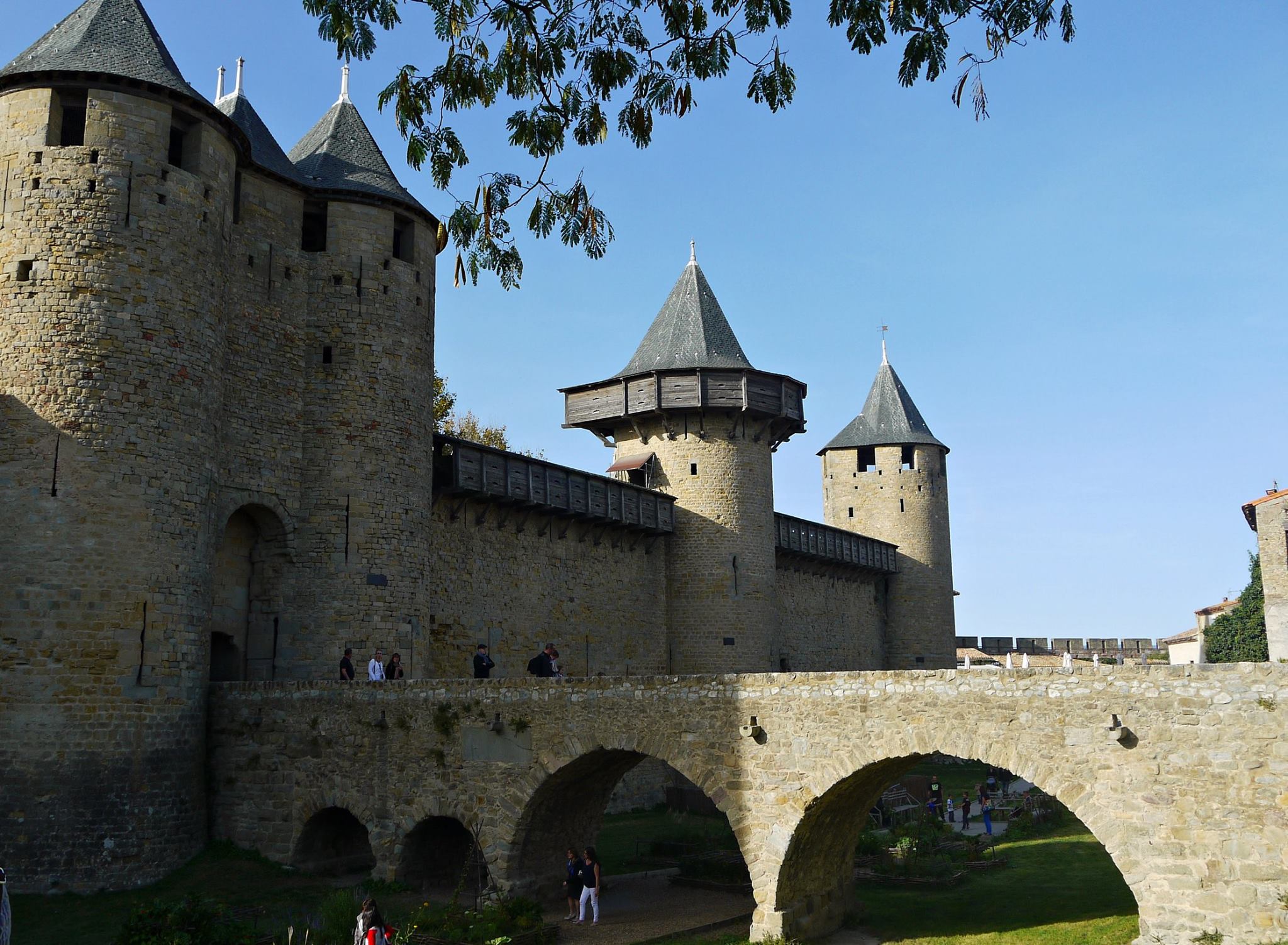
A long weekend in Carcassonne
Carcassonne, a delightful medieval marvel in southern France, is a dream destination for history enthusiasts and culture lovers.
Brief history
The area was first settled around 3500 BCE. By the 6th century BCE, it became a Celtic hill fort, or oppidum, known as “Carsac.”
Incorporated into the Roman Empire in the 1st century BCE, Carcassonne saw the construction of its first fortifications in the 3rd and 4th centuries CE. In the 5th century, the Visigoths took control, strengthening the city’s defences.
The 12th century marked the rise of the Trencavel family, who built the Château Comtal. The city became a stronghold during the Albigensian Crusade and later came under French royal control in 1247. By the 19th century, Carcassonne had fallen into disrepair. Architect Eugène Viollet-le-Duc led a major restoration, preserving its medieval charm. Today, Carcassonne is celebrated for its double-walled fortifications and 52 towers, earning it UNESCO World Heritage status in 1997.
What to see
Cité de Carcassonne: A UNESCO World Heritage Site, this fortified city is the largest of its kind in Europe. Wander through its cobblestone streets, explore the Château Comtal, and walk along the double ramparts. The Cité is encircled by 3 kilometers of double walls with 52 towers.
Walking through its cobbled streets is like stepping back in time, surrounded by history, legends, and intense surroundings.


Basilique Saint-Nazaire: Admire the stunning Gothic and Romanesque architecture of this historic basilica, known for its beautiful stained glass windows.

Pont Vieux: This 14th-century bridge offers picturesque views of the Aude River and connects the medieval city to the Bastide Saint-Louis.


Canal du Midi: Take a leisurely stroll or boat ride along this UNESCO-listed canal, a masterpiece of engineering.

Best Time to Visit
Spring (April to June) and autumn (September to October) are ideal for pleasant weather and fewer crowds.
Getting Around
Carcassonne is compact and walkable. You won’t need a car just for the town.
However, there is so much to discover around Carcassonne that I would strongly recommend hiring a car to explore further.
Day trips around Carcassonne
We hired a car for one day and it was enough to discover some hidden gems.
We started at the enigmatic Rennes-le-Château, less than one hour drive from Carcassonne.


In the late 19th century, the village gained international attention due to Abbé Bérenger Saunière, a local priest who allegedly discovered a hidden treasure while renovating the Church of Saint Mary Magdalene. This sparked numerous conspiracy theories, including connections to the Holy Grail and secret societies.
The church is certainly peculiar and deserves a visit.


We continued towards Bugarach, a quaint village nestled at the foot of the Pic de Bugarach, the highest peak in the Corbières Massif. This area is renowned for its natural beauty, geological uniqueness, and a touch of mysticism. The mountain has inspired numerous legends, from UFO sightings to being a supposed refuge during the 2012 apocalypse.


After relaxing at Bugarach, we drove our way back stopping at charming Alet-les-Bains, another charming village in the Aude province.
The abbey of Alet- les- Bains, founded in the 9th century, became a cathedral in the 12th century. Though now in ruins, it remains a significant historical site.
The village features half-timbered houses, remnants of fortifications, and ornate stone carvings. Local lore suggests that Nostradamus once lived here, adding a touch of mystery to the village’s history.


Alet-les-Bains is renowned for its spa waters, which have been enjoyed since Roman times.
Don’t forget to sample Aude province traditional food, including cassoulet, French onion soup and baked camembert cheese.